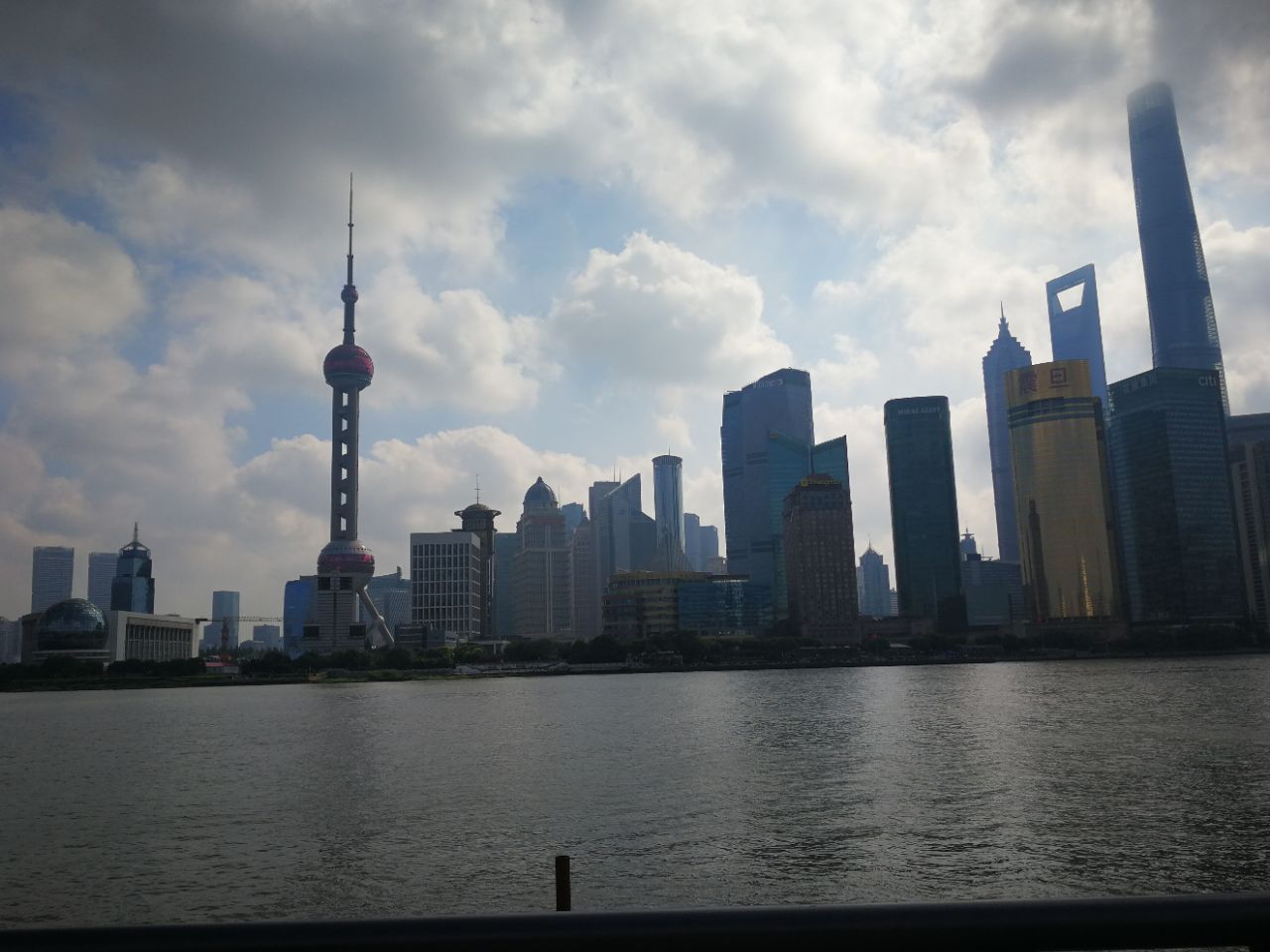
Xiamen, located on the southeastern coast of China in Fujian Province, is a wonderfully charming seaside city. As one of China’s most international cities, Xiamen attracts global travelers with its breathtaking island views, rich history, culture, and unique Minnan (Southern Fujian) style. Whether you’re a history enthusiast or someone who loves natural landscapes and modern city life, Xiamen offers the perfect blend for an unforgettable travel experience.
Xiamen’s Natural Beauty: Where Islands Meet Gardens
As an island city, Xiamen’s most striking feature is its stunning coastal landscape and pleasant climate. The clear waters, soft sands, and fresh air make it an ideal vacation spot for relaxation and leisure.
1. Gulangyu Island: A Garden by the Sea
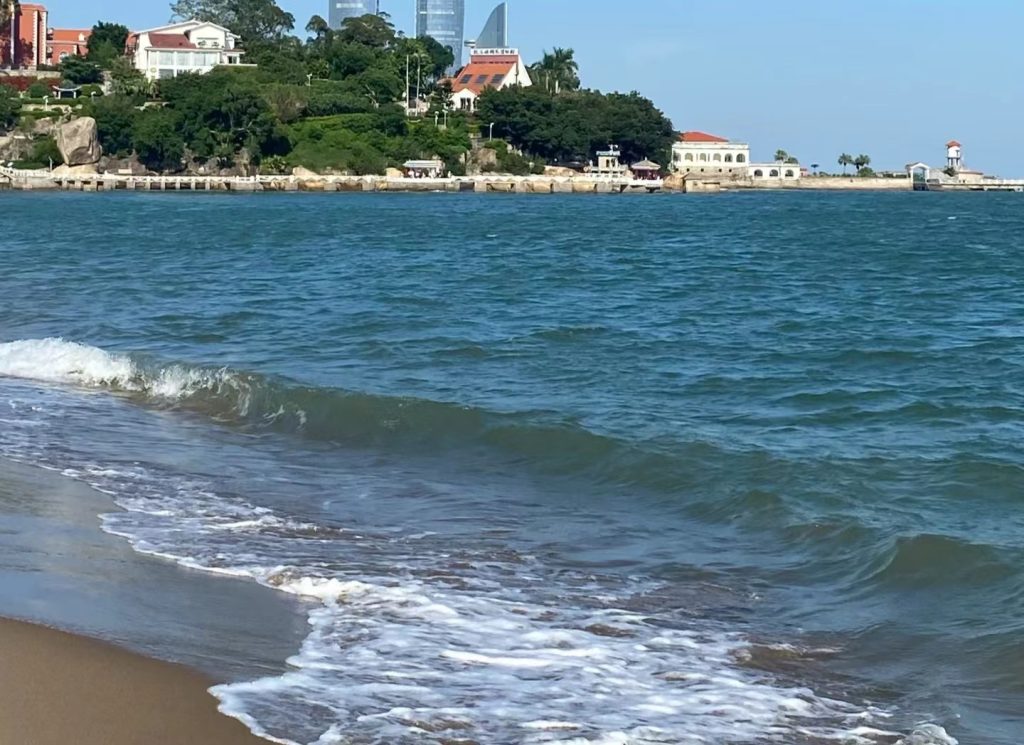
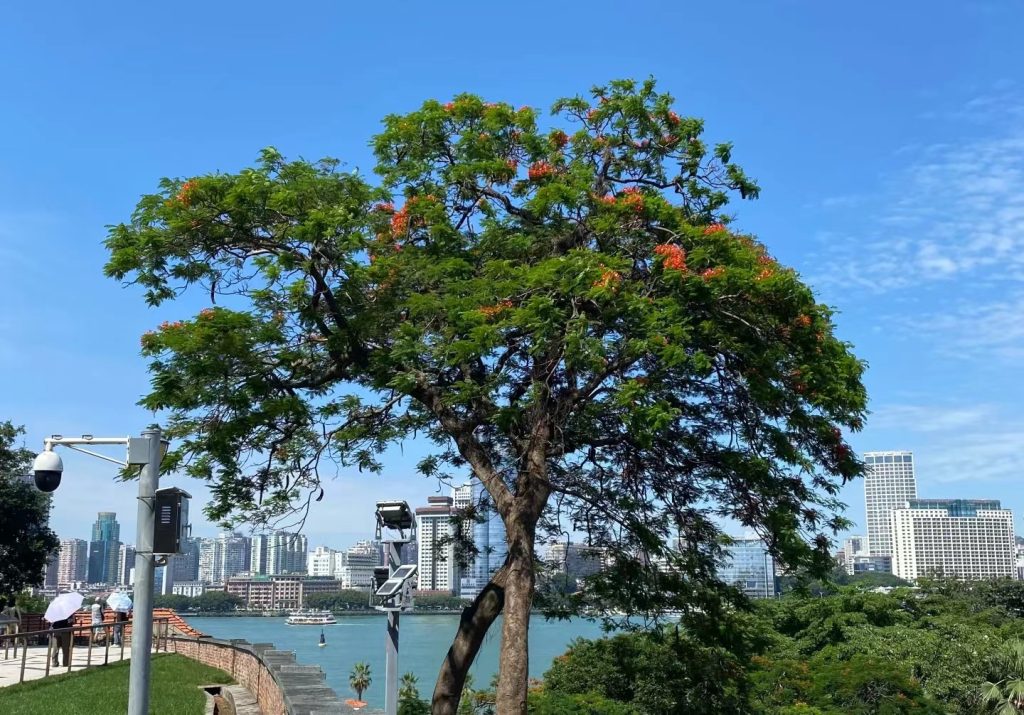
Gulangyu Island, known as the “Garden on the Sea,” is famous for its lush greenery, vibrant flowers, and mild, spring-like weather year-round. The island features an eclectic mix of European and traditional Minnan architecture, making it a visual treat for visitors. Key attractions include Sunlight Rock, Shuzhuang Garden, and the Piano Museum, each offering rich historical significance and cultural value.
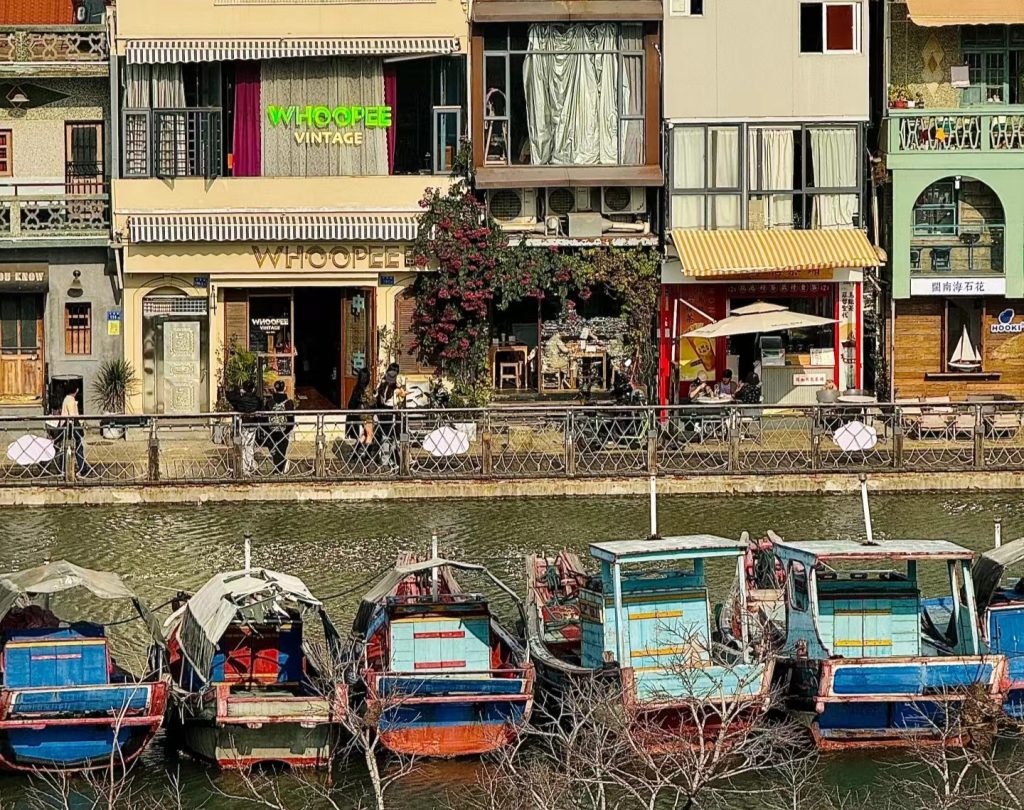
On the west side of Gulangyu, you’ll find Shapowei, an area once home to fishermen but now a trendy destination filled with local character. It’s a popular spot for surfing, thanks to its large waves, and features graffiti walls, art shops, and cozy cafés. Exploring Shapowei offers a glimpse into Xiamen’s unique coastal culture and creative energy.
2. Nanputuo Temple: Serenity by the Sea
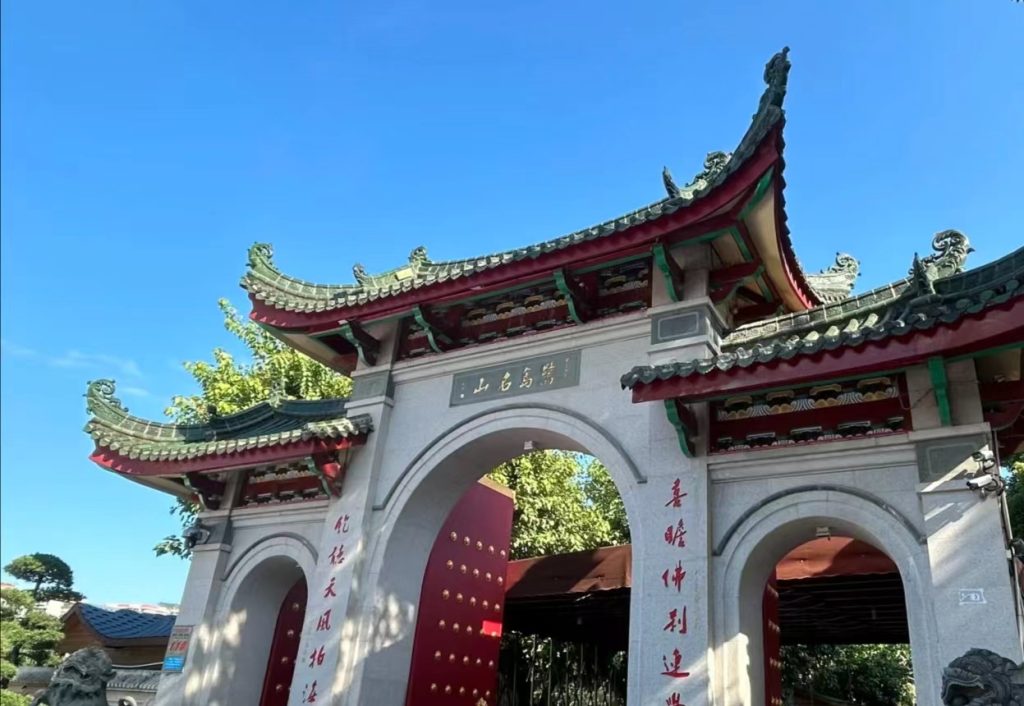
Located in the southern part of the city, Nanputuo Temple is one of the most important Buddhist temples in southern China. Backed by the majestic Wulao Mountain and facing the blue sea, this peaceful temple is a place of spiritual solace. Surrounded by lush greenery, its ancient architecture and tranquil atmosphere offer a perfect escape from the hustle and bustle of urban life.
Xiamen’s Cultural Richness: A Fusion of History and Modernity
Xiamen has long been a vital port city, with a history dating back to the Maritime Silk Road period over a thousand years ago. Today, it stands as a symbol of the fusion of Chinese and Western cultures, reflecting its deep-rooted Minnan traditions.
1. Xiamen’s Historic Sites
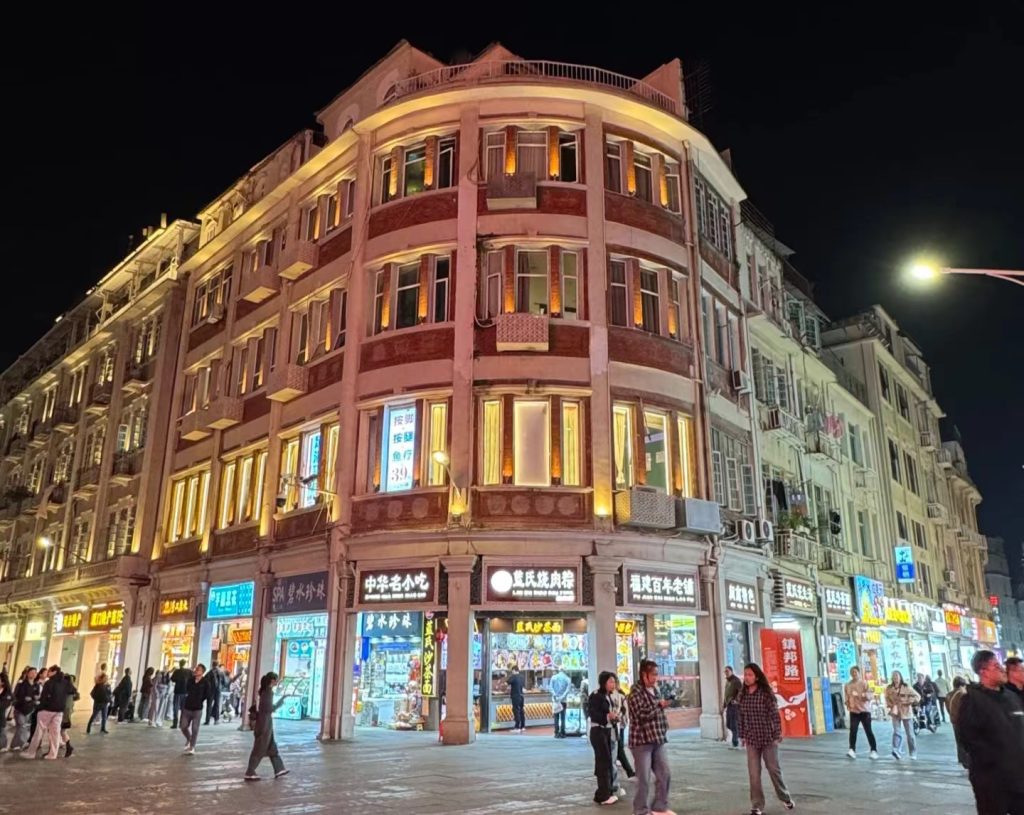
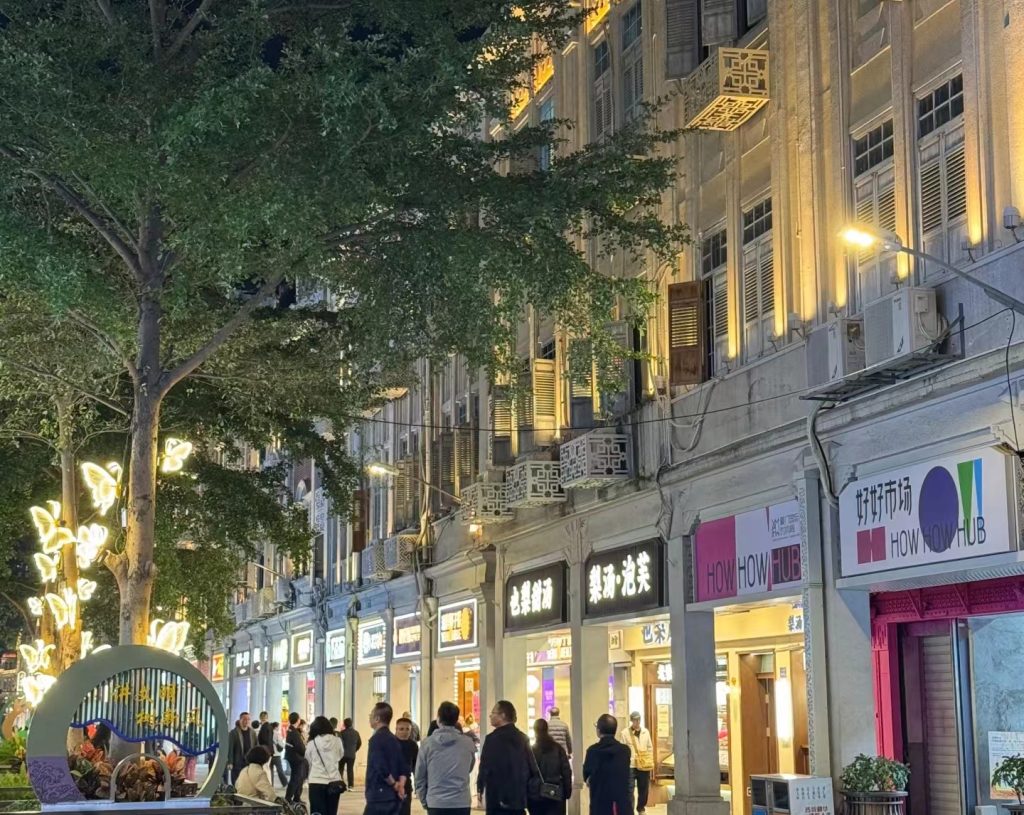
One of the best ways to explore Xiamen’s history is by visiting its well-preserved streets and historic landmarks. Zhongshan Road, once the city’s commercial heart, is now a bustling pedestrian street lined with old buildings that blend traditional Minnan style with Western architectural influences.
While strolling along the road, visitors can also indulge in local delicacies such as Sha-cha noodles and peanut soup, immersing themselves in the city’s authentic flavors.
2. Xiamen University: A Campus by the Sea
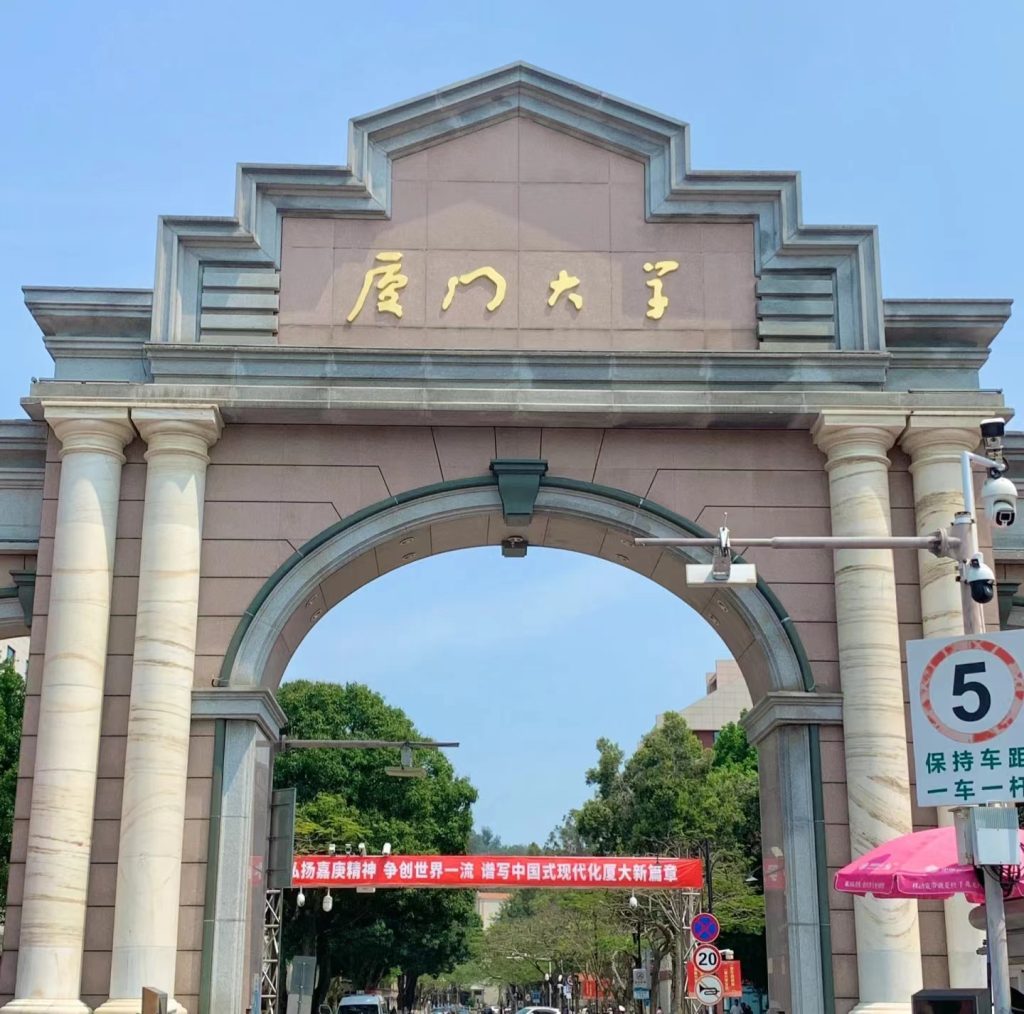
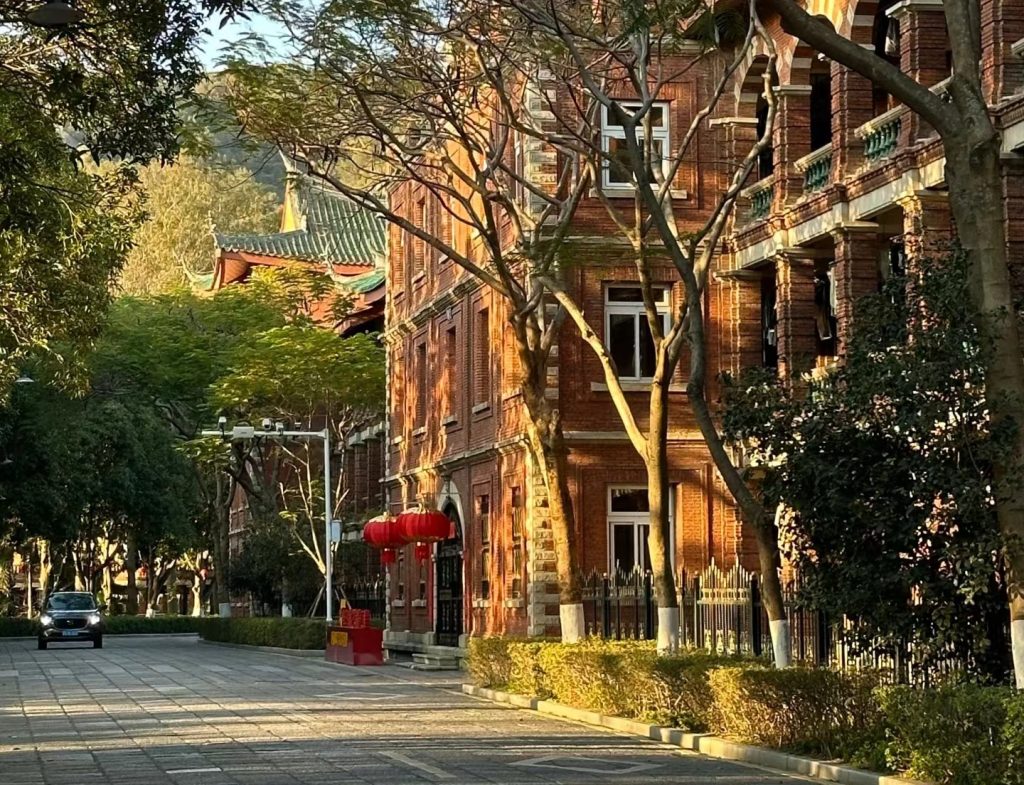
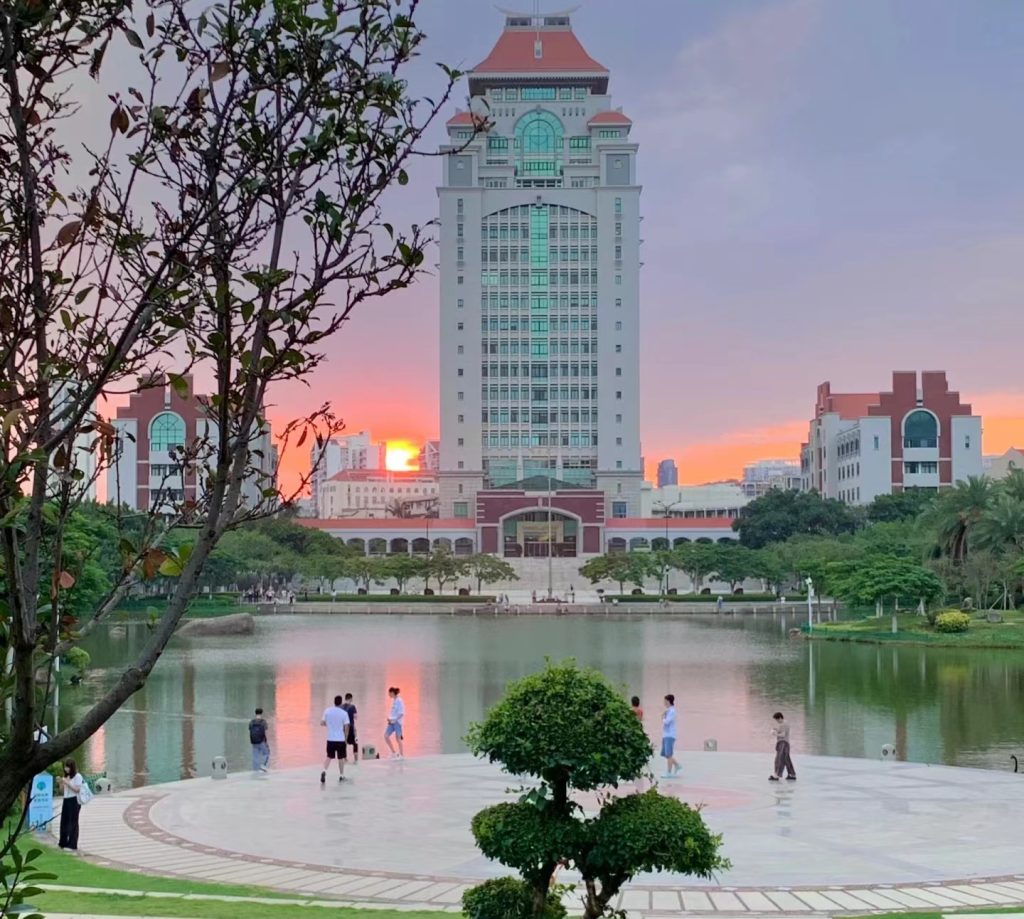
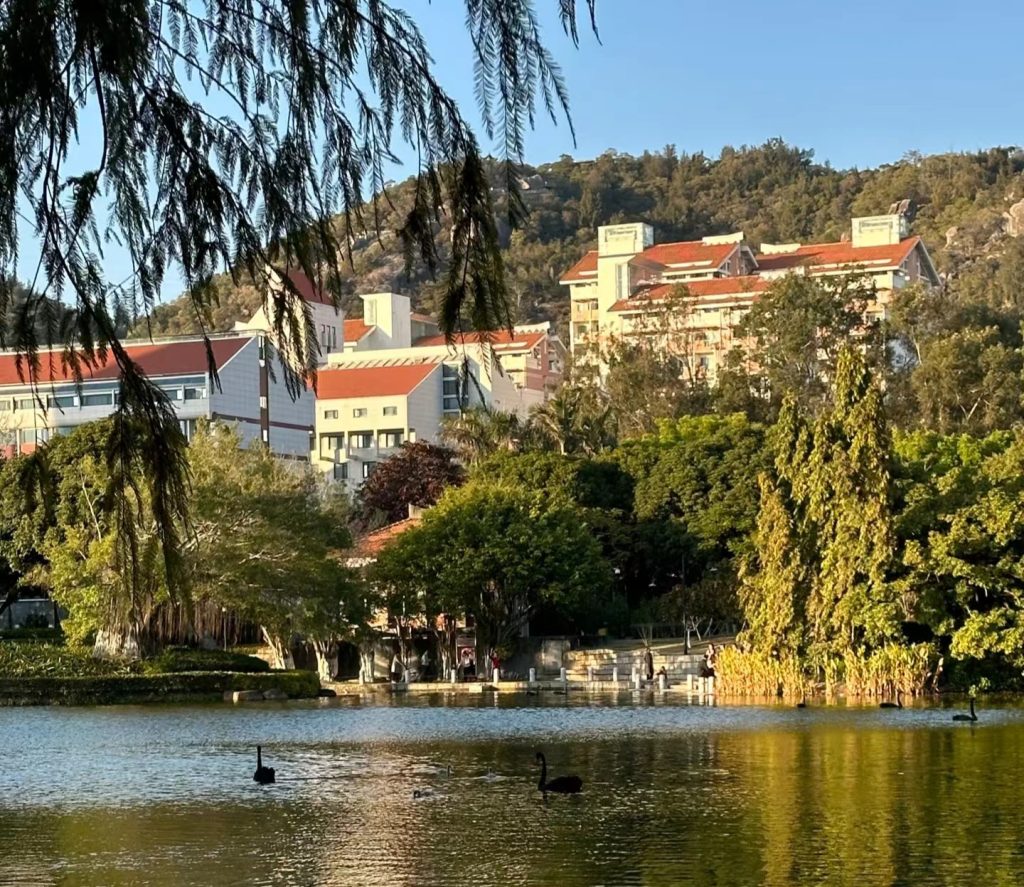
Ranked among the most beautiful universities in China, Xiamen University is a true cultural gem. The campus, located by the sea, is known for its picturesque surroundings, with lush trees and unique architectural styles. Visitors can tour historical buildings or simply walk along the serene paths, soaking in the atmosphere of academic and historical prestige.
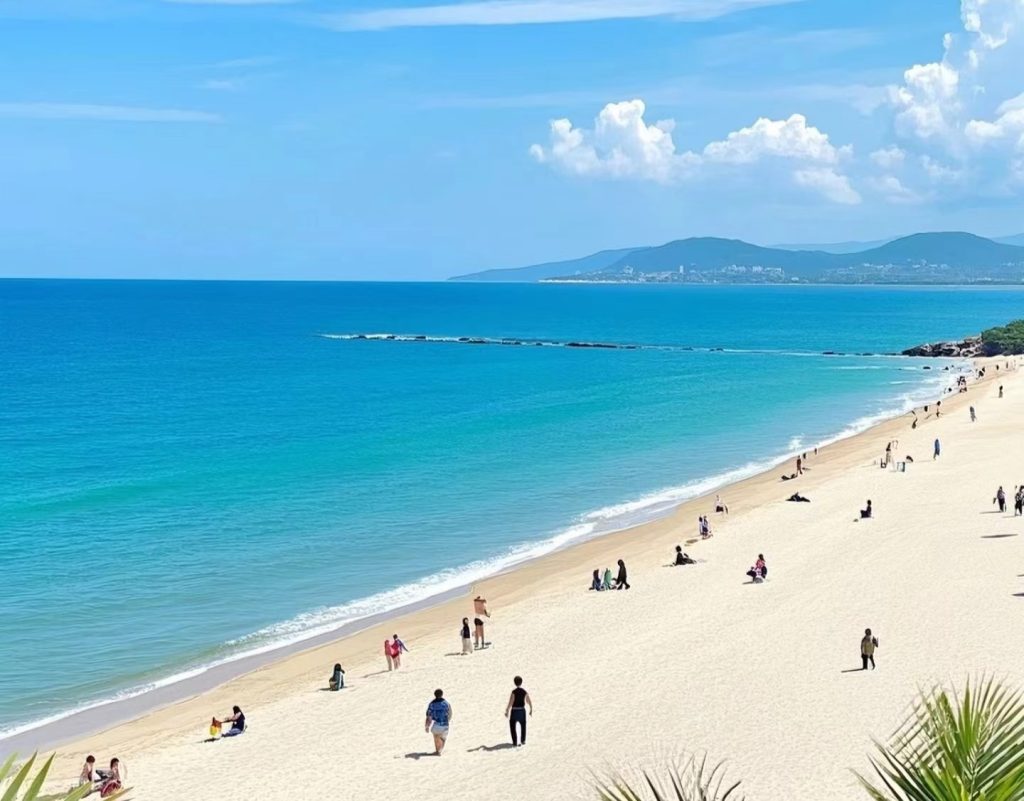
Adjacent to the university is Baicheng Beach, a pristine spot where the sand is soft and the waters are clear and calm, making it perfect for swimming. With plenty of nearby cafés and convenient accommodation, Baicheng Beach offers an ideal place for relaxation after a day of sightseeing.
The Modern Charm of Xiamen: A Blend of City Life and Leisure
As Xiamen rapidly develops economically, the city’s modern charm continues to shine through. Today, Xiamen is not just a travel destination, but one of China’s most dynamic and vibrant cities, offering an exciting mix of contemporary urban living and traditional cultural experiences.
1. The Urban Landscape of Xiamen
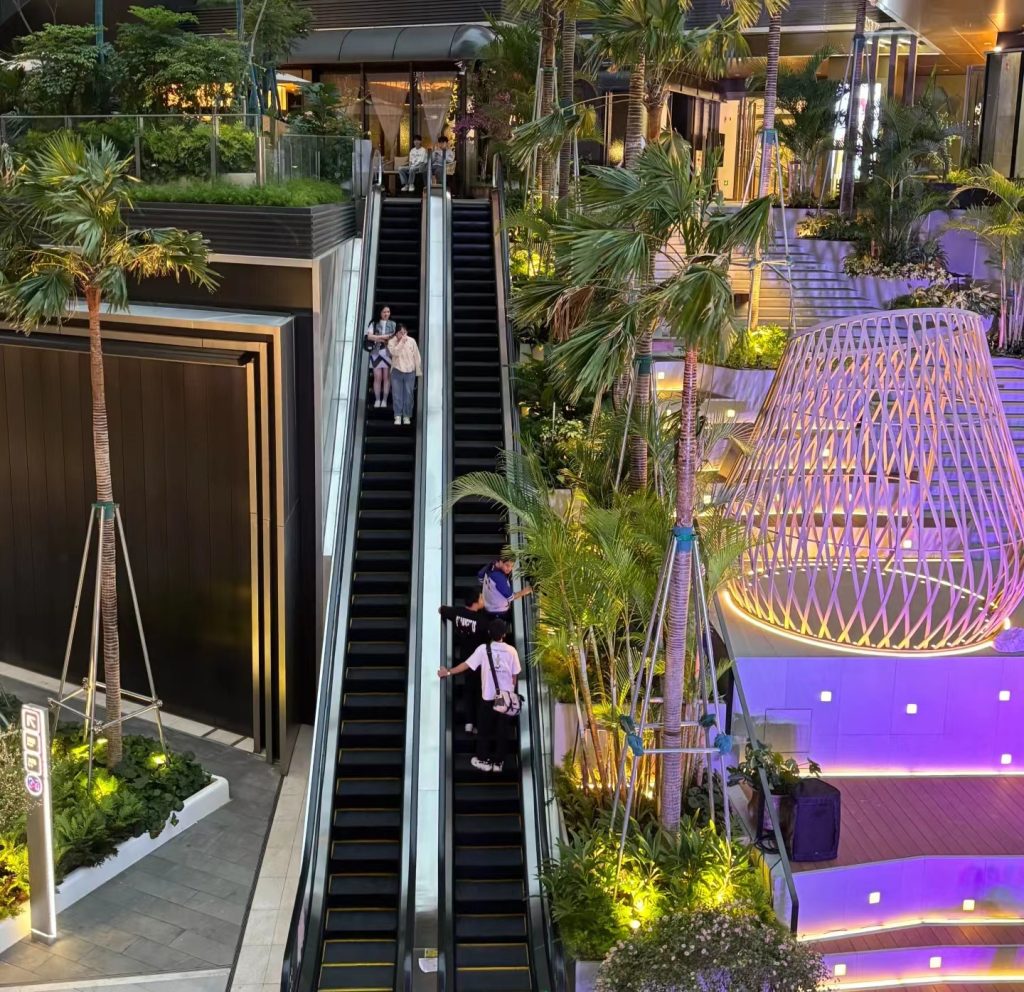
One of the most striking aspects of Xiamen’s modernization is its skyline. The commercial districts in Siming District boast international shopping centers, high-end hotels, and sleek office buildings, contrasting sharply with the city’s historical old town.
In the bustling streets, you can enjoy a mix of modern retail therapy and traditional street food. The city’s welcoming attitude towards global culture makes it a great place for travelers to experience diverse cuisine and the latest fashion trends.
2. Xiamen’s Nightlife: A Romantic Seaside Escape
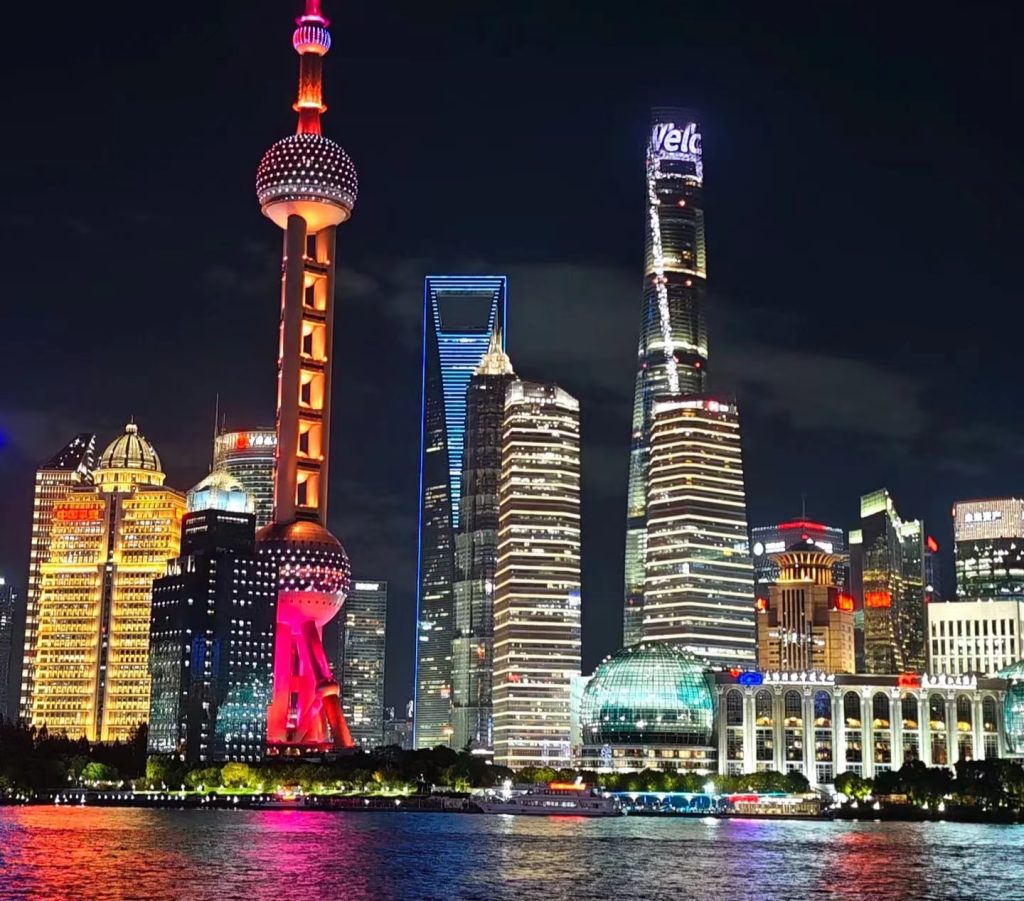
Xiamen’s nightlife offers another layer of the city’s charm. The night views at Gulangyu, Huandao Road, and Xiamen University are particularly enchanting, with the sparkling sea and gentle sea breeze creating a tranquil yet romantic atmosphere. After dinner, visitors can take a leisurely stroll along the coastline, enjoying the night air and the beauty of the starry sky.
Xiamen’s Culinary Delights: A Taste of the Sea
Xiamen’s food scene is a standout feature of the city, offering a rich array of local dishes that emphasize fresh seafood and traditional Minnan flavors.
1. Xiamen’s Famous Street Foods
Xiamen’s food culture revolves around its abundant seafood.
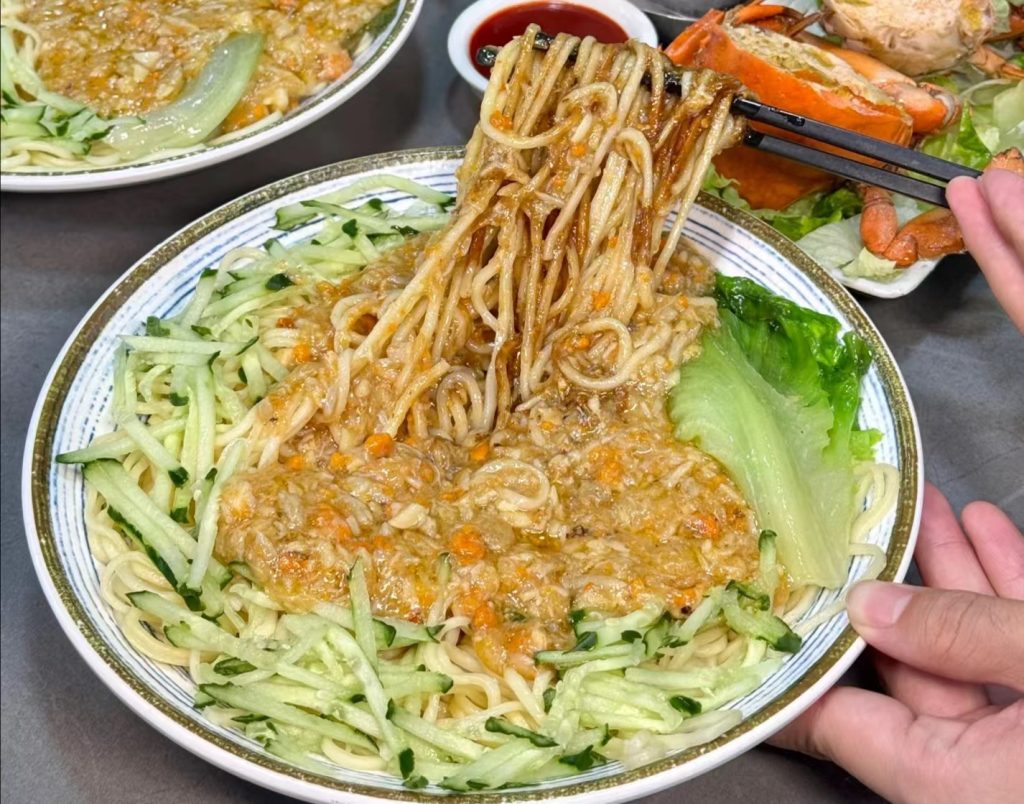
Signature dishes like Sha-cha noodles, peanut soup, and oyster omelet showcase the unique flavors of Fujian cuisine. Sha-cha noodles are spicy and savory, while peanut soup offers a sweet and smooth finish. The oyster omelet, with its crispy exterior and tender inside, is a must-try for anyone wanting to taste authentic local food.
2. Fresh Seafood Banquets
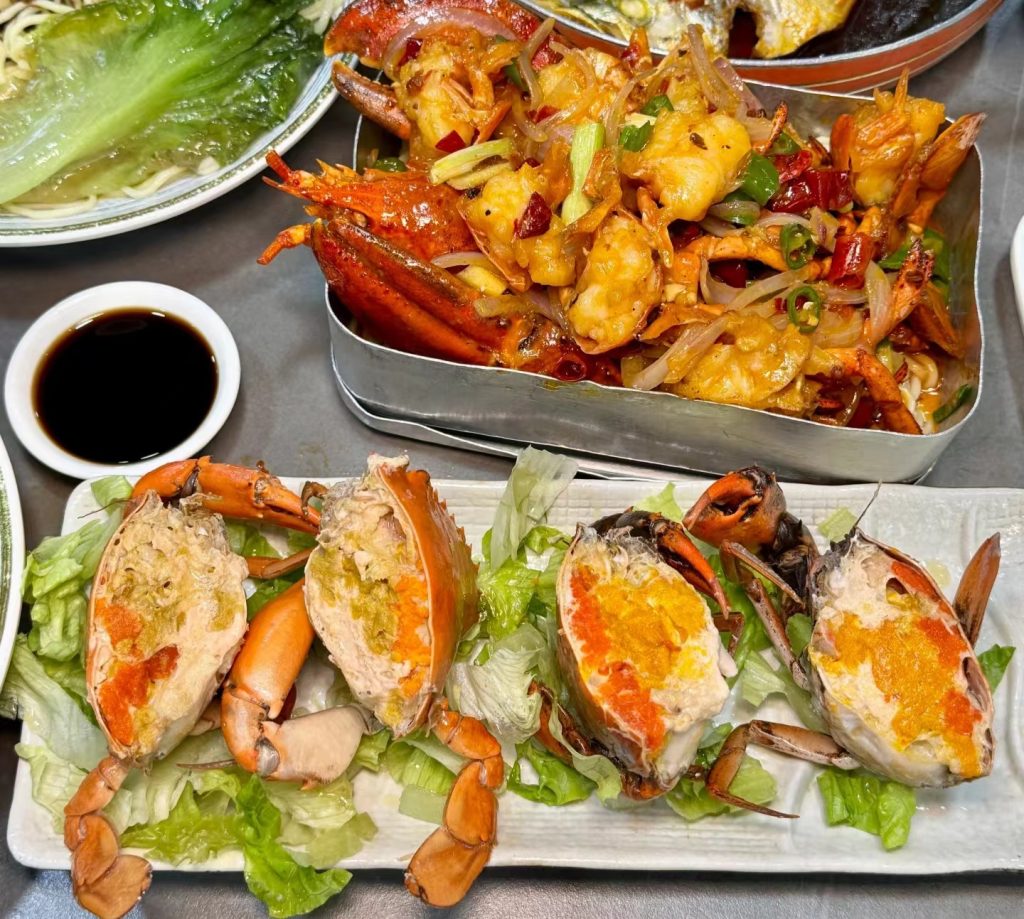
Known for its freshness and variety, Xiamen’s seafood is unparalleled. In the city’s seafood restaurants, you can feast on delicacies like crabs, scallops, eel, and clams. For a true local experience, visit one of the many seafood markets where you can pick out your fresh catch and have it cooked to your liking right on the spot, making for an unforgettable culinary experience.
With its rich natural beauty, deep cultural heritage, and modern urban charm, Xiamen offers an extraordinary travel experience. Whether you’re interested in exploring ancient history, enjoying peaceful island life, or diving into the excitement of a bustling metropolis, Xiamen is the perfect destination for travelers from around the world.


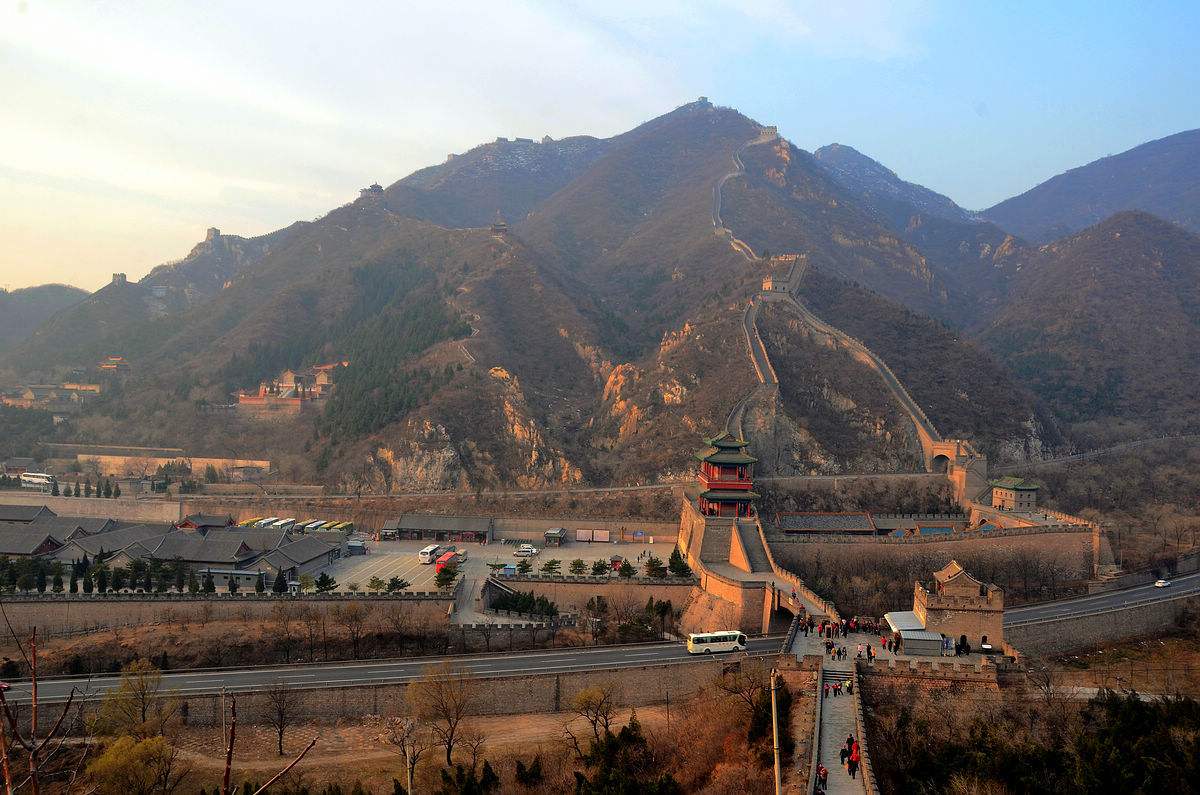 Juyongguan is a famous gate along the Great Wall. It is known as one of the three major gates of the Great Wall. It is built along the mountain and is very steep. On the tower of Juyongguan, there is a plaque of “天下第一雄关”, where people like to take photo. Moreover, the mountains are beautiful and the trees are layered on top of each other. The “Juyong Pinnacle” is also the famous scenery around the capital.
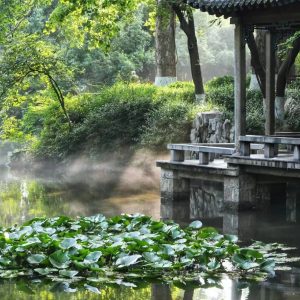
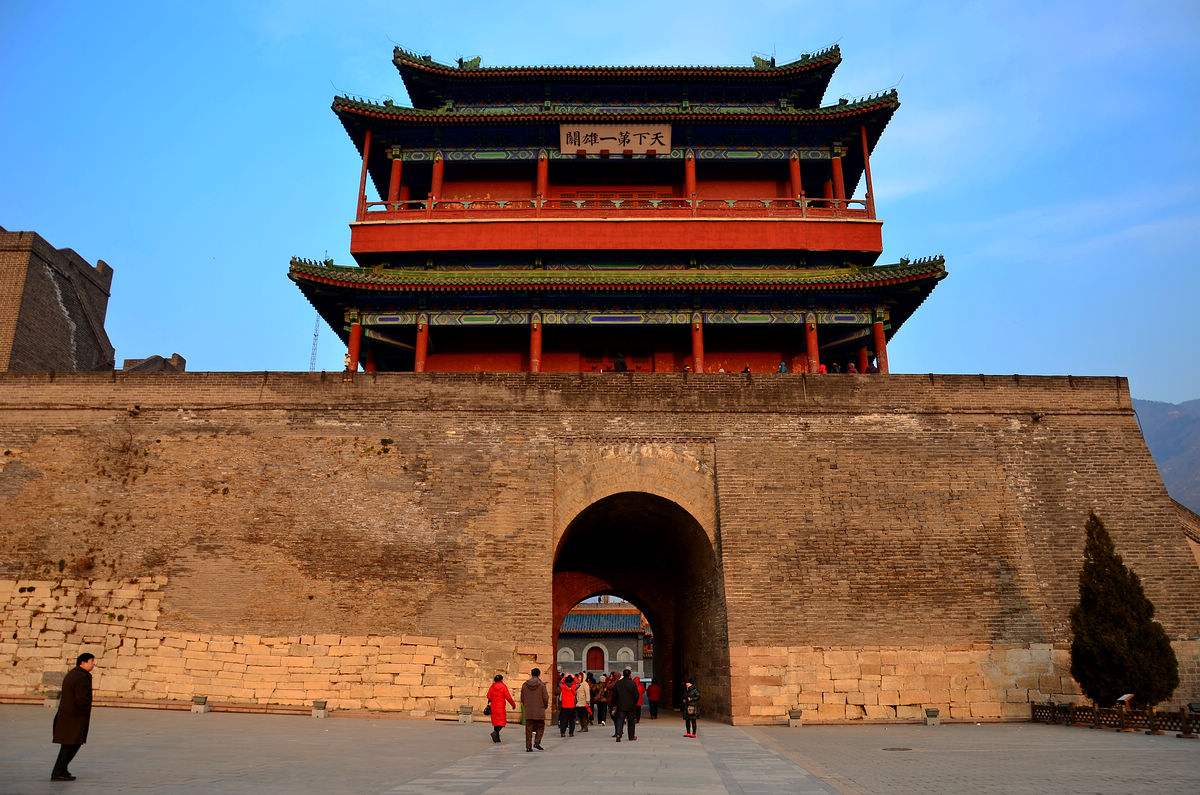 After purchasing tickets at the gate of Guancheng, you can enter the scenic spot. There are many cultural attractions in the scenic spot, which enshrine ancient celebrities and record the history of Juyongguan. There is also a small lake next to it, you can visit one by one. At the same time, you can admire the tall and majestic towers underneath the south and north gates of the scenic spot.
 Located on the south bank of the picturesque Songhua River, the terminal square of Central Street, Daoli District, Harbin City, Heilongjiang Province, Harbin Flood Control Memorial Tower was built in 1958 to commemorate the people of Harbin overcoming the great flood in 1957. It is a symbol of this heroic city. It was co-designed by former Soviet designer Bagis Zierev and Harbin Institute of Technology second-generation architect Lee Kuan Yew. The Harbin People’s Flood Control Victory Memorial Tower won the highest honor in the Chinese construction industry.
 The full name of the flood control memorial tower is Harbin People’s Flood Control Victory Memorial Tower. The memorial tower consists of a three-dimensional tower body and an attached corridor. The tower is 22.5 meters high. The tower base is made of blocks, which means that the embankment is firm and indestructible. The fountain in front of the tower base, symbolizing the brave and wisdom of the people of Harbin City, are taming the stormy river water into a long stream, benefiting benefits and eliminating troubles, and benefiting the people. The lower level of the tower represents the altitude of 119.72 meters, marking the highest water level when the flood in Harbin was submerged in 1932; the upper level represents the altitude of 120.30 meters, marking the highest water level when the people of the city defeated the flood in 1957. The memorial tower is a cylinder, and the tower body depicts the vivid plot of the victory over the flood in relief. On the top of the tower is a round sculpture of workers, peasants, soldiers and intellectuals, showing the heroic image of defeating the flood. Behind the tower is an ancient Roman-style cloister, which is surrounded by 20 columns, blending with the memorial tower into a scene, to be harmonious and spectacular. This is a tourist attraction worth sightseeing in Harbin.
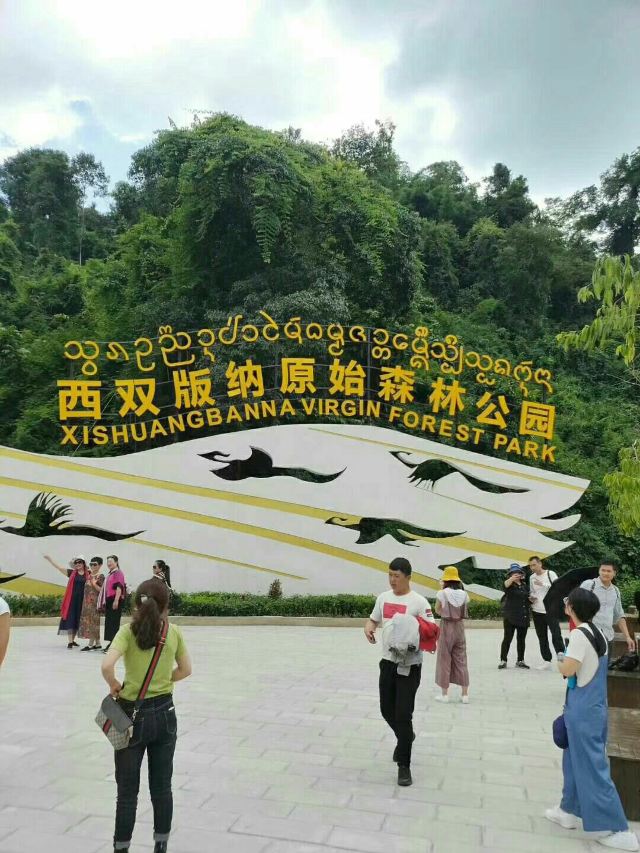 Xishuangbanna Virgin Forest Park, located to the east of Jinghong and north of Lancang River, 8 kilometers away from the seat of the state capital, is the virgin forest closest to Jinghong City in Quanzhou. The park is built on the basis of 25,000 acres of tropical valley rainforest. The forest coverage rate in the park exceeds 98%. It is a natural oxygen bar. There are gully rain forests, flying peacock, folk songs and dances, delicious food, water splashing carnival and other projects in the park. It is one of the largest comprehensive ecological tourist attractions in Xishuangbanna. The concept of fashionable life with nature, ecology, environmental protection, leisure, health, etc. as the main elements is embodied through the ethnic folk culture season in winter, the peacock culture season in spring, the rainforest culture season in summer and the ethnic costume season in autumn.
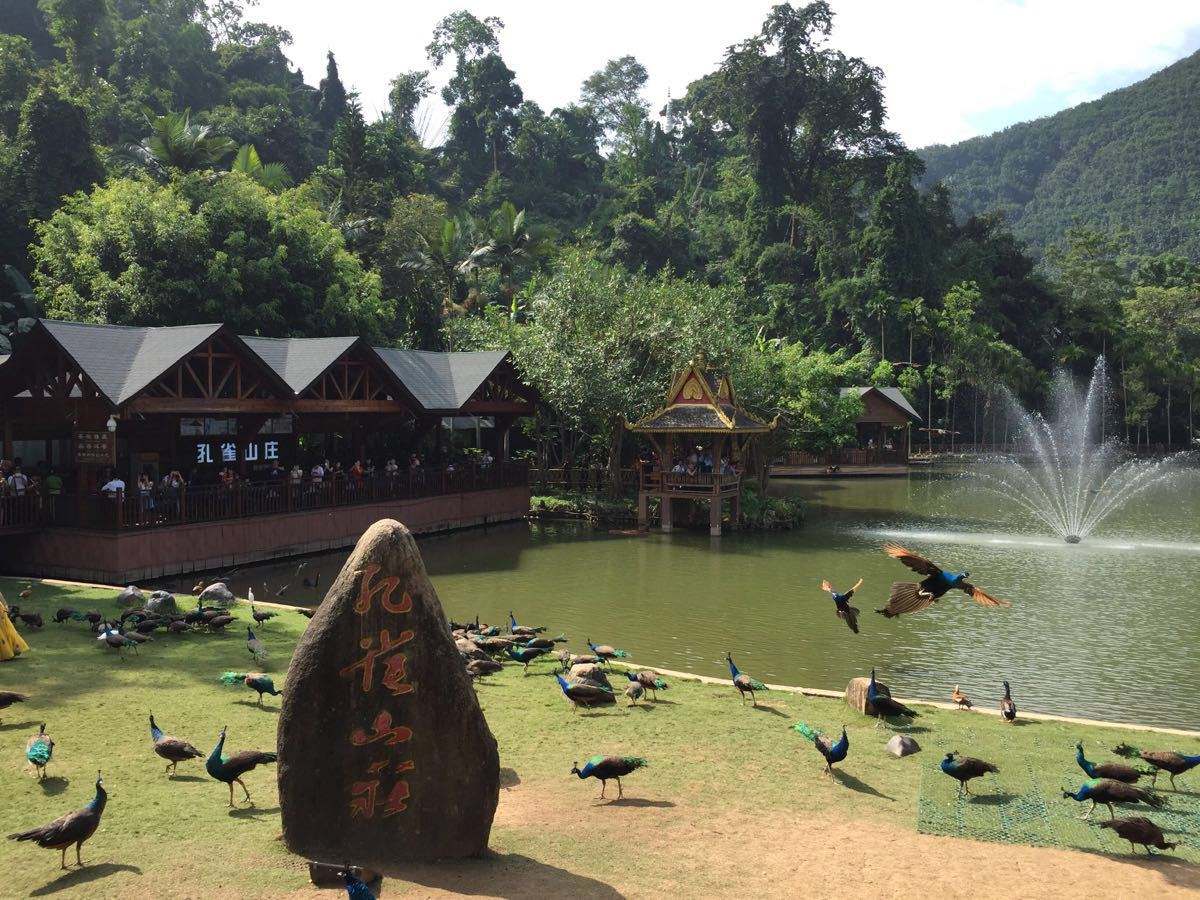 In Xishuangbanna, it is not uncommon to be close to animals. It is easy to appreciate the peacocks on the screen and greet the guests and see monkeys playing with people. When you come here, you will be able to fully feel the harmony between man and nature, and between man and animal. In general, Xishuangbanna Virgin Forest Park is famous for its magical tropical rainforest natural landscape and ethnic customs. You can enjoy the air of the natural oxygen bar, see the beauty of the tropical rainforest, and experience minority folk-custom. It is very worth a visit.
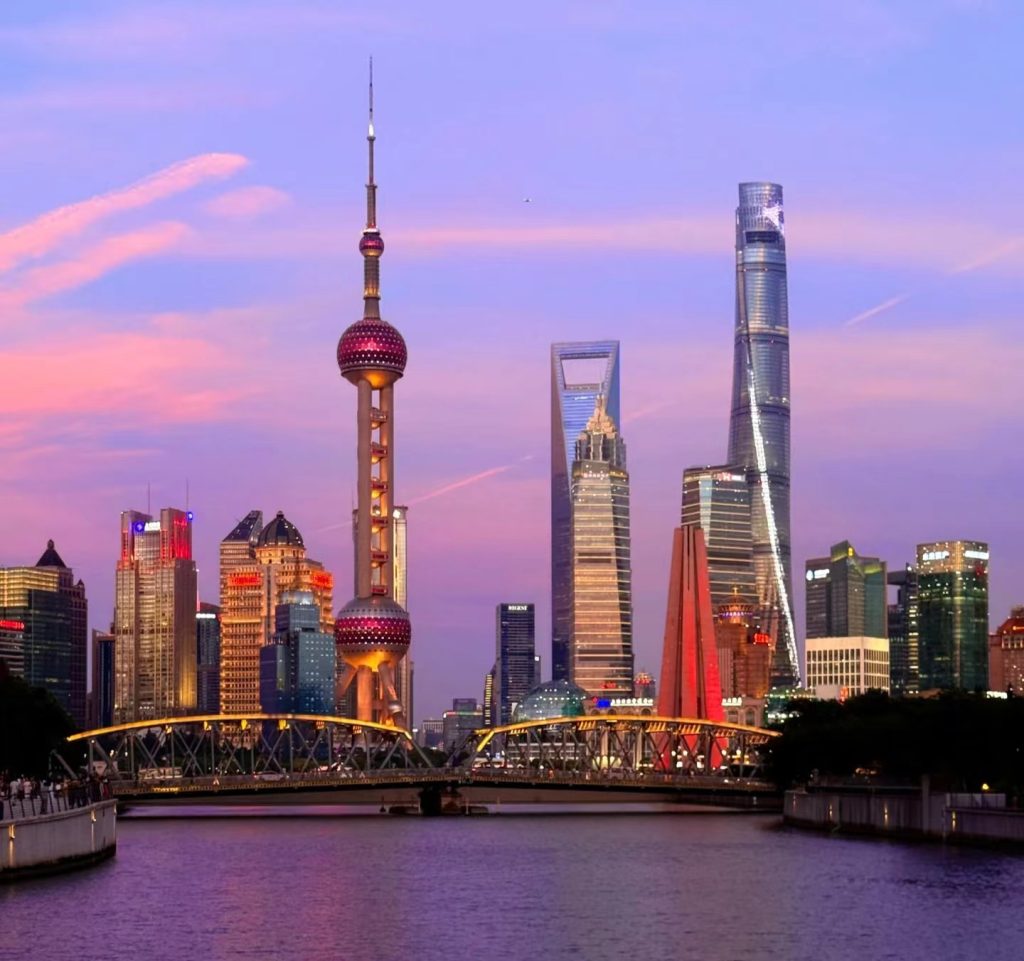
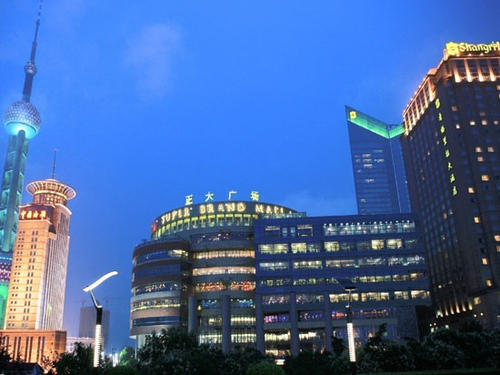 Super Brand Mall is located in the Lujiazui Financial Center by the Huangpu River, adjacent to popular attractions such as the Oriental Pearl Tower, Jinmao Tower, and the World Financial Center. The high-rise buildings of Lujiazui Financial Center can be clearly seen on the skybridge outside the square. It is a good place for photography.
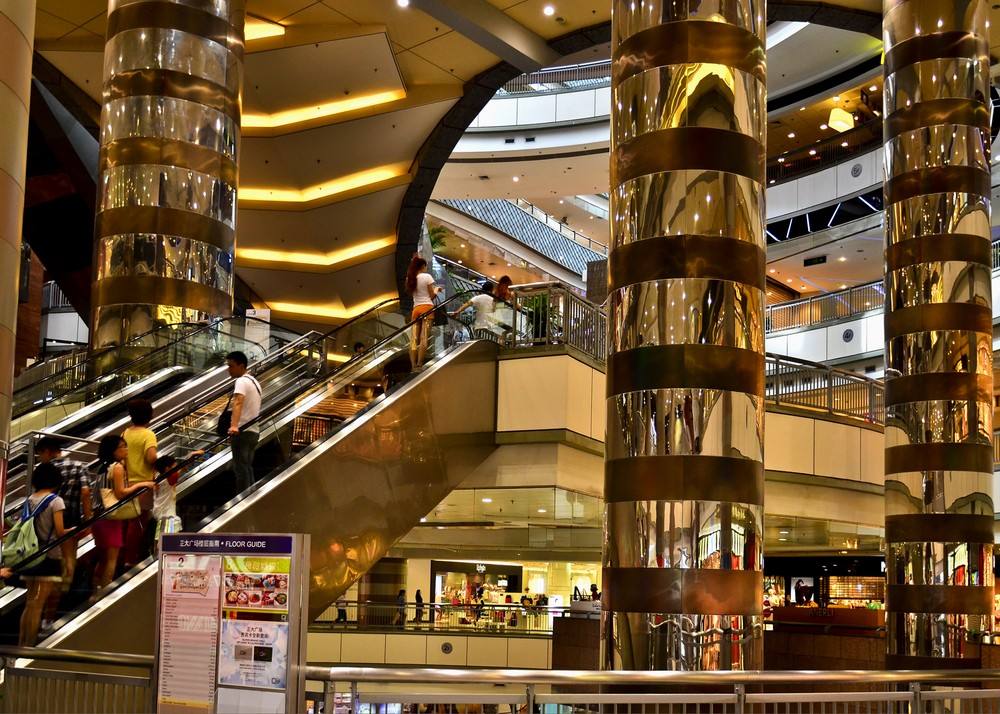 The location of Super Brand Mall is very superior and the transportation is convenient. At Lujiazui Station of Metro Line 2, walk out of the metro station and walk up to the raised bridge, which is connecting all directions, with signs on every side. You can reach Super Brand Mall directly. Super Brand Mall is near the Oriental Pearl Tower, Shanghai Ocean Aquarium and other attractions. From the bridge to the Super Brand Mall for shopping, the shopping environment of the entire mall is very good, clean, bright and distinct. You can buy some imported food in the supermarket on the basement level. There are a lot of imported foods here, and they are cheap. There are popular shops such as HM, Gap and CA on the first floor, and there are usually discounts. There are several restaurants on the 8th floor that you can also try.
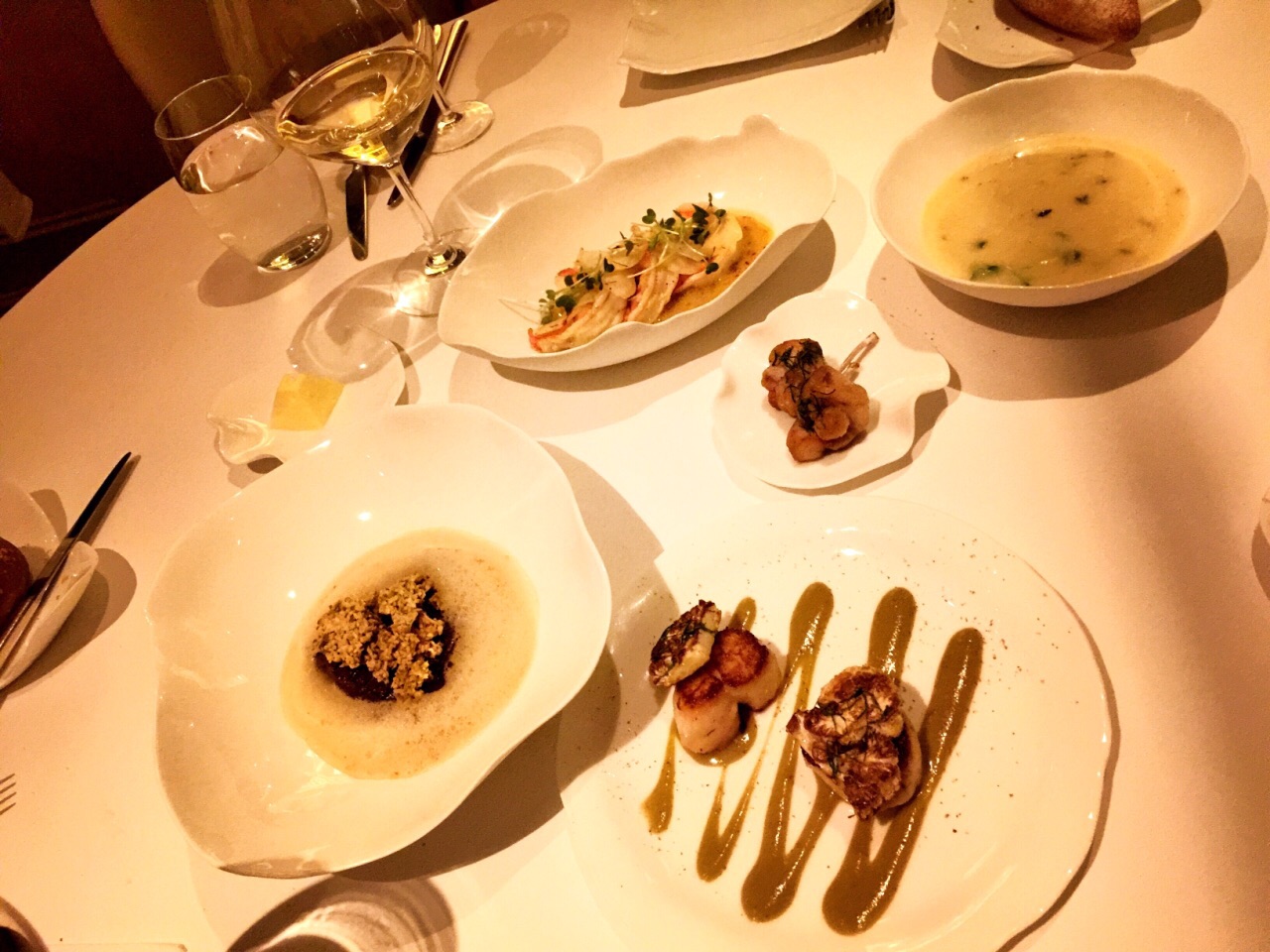 World-famous chef Jean Georges copied the restaurant of the same name he opened in Manhattan, New York to the Bund in Shanghai, and this is the Jean Georges Restaurant. French cuisine is not only tasteful, but also looks like a work of art. The decoration of Jean Georges restaurant is mainly in light and bright colors, with white as the base tone, with light orange flowers and yellow warm lights, showing a sophisticated modern restaurant, creating a unique romance and elegance. You can enjoy the beauty of the Pujiang River by the window here.
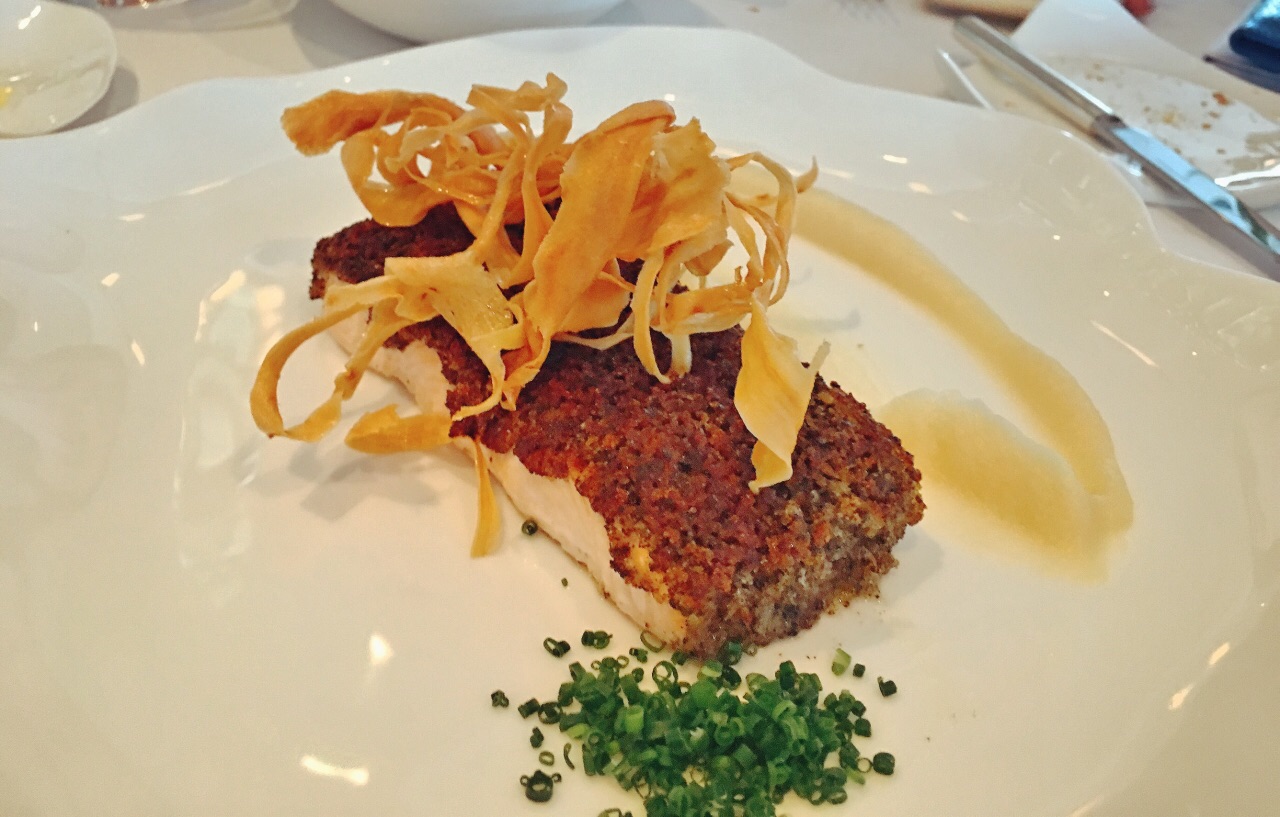 Since its opening in 2004, Jean Georges French Restaurant has become a model of contemporary high-end dining in Shanghai with its innovative dishes, rich collection of wines and attentive service, and has welcomed countless gluttonous diners. The restaurant was fully renovated at the end of 2015 and reopened in April 2016. The renewed Jean-Georges includes a main dining area, 3 private rooms, a bar, and two open kitchens. The French restaurant Jean Georges is known to enjoy the pinnacle of modern French cuisine in an elegant environment. Remember that if there are infants and young children going to the restaurant, it is best to have lunch at noon. The restaurant does not accept diners with infants and young children into the restaurant for dinner.